WHY FLEXIBILITY MATTERS MORE THAN EVER IN WINERY AND CRAFT BEVERAGE DESIGN
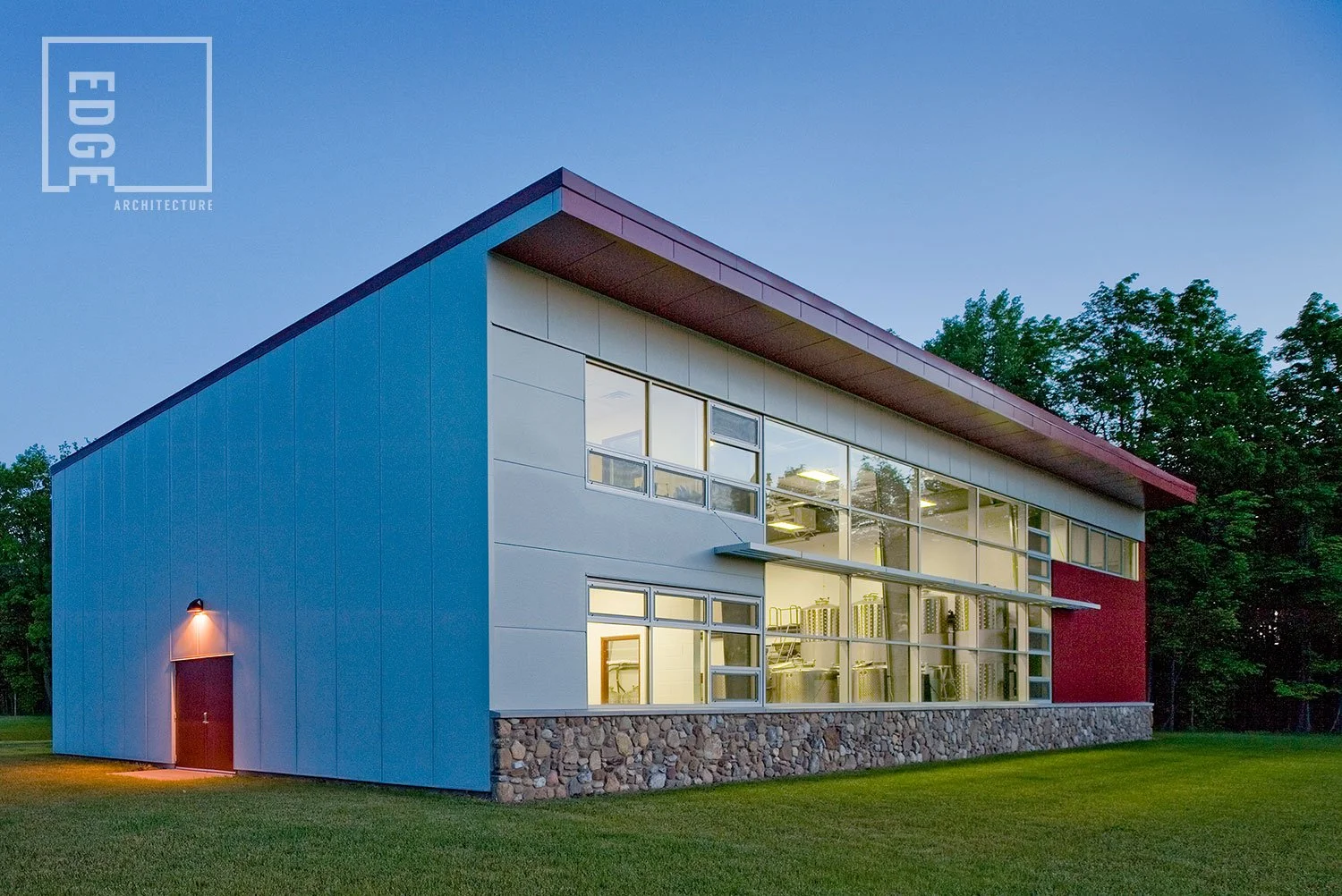
Today’s winery and craft beverage spaces are expected to support far more than tastings alone.They have become environments where people gather, connect, celebrate, attend events, and experience a brand in a more personal and memorable way. A tasting room is no longer simply a destination — it is often the center of a broader hospitality experience.
As customer expectations continue to evolve, hospitality spaces must do more than look appealing. They must function flexibly, operate efficiently, and create environments that feel intuitive and welcoming across a variety of uses.
The most successful spaces are designed around how people actually interact with them — not simply around a fixed program or aesthetic trend.
Hospitality Spaces Must Support Multiple Experiences
For many wineries and craft beverage destinations, the traditional tasting room model has expanded significantly.
Today’s spaces may need to accommodate:
private events
live music
seasonal programming
retail experiences
food service
community gatherings
educational events
indoor and outdoor hospitality
This shift has changed how hospitality environments are planned and used.
Rather than designing around a single purpose, successful spaces are increasingly designed to support multiple experiences throughout the day, week, and season. Flexible layouts, adaptable seating arrangements, and thoughtful circulation planning allow businesses to evolve alongside changing operational and customer needs.
The result is an environment that feels dynamic and welcoming without sacrificing functionality.
Outdoor Spaces Have Become Essential
Especially during spring and summer months, outdoor environments often become central to the guest experience.
Patios, courtyards, gardens, terraces, and open gathering areas are no longer viewed as secondary amenities or overflow space. They influence how guests move through a property, how long they stay, and how they engage with both the space and the brand itself.
Successful outdoor hospitality environments require the same level of intentional planning as interior spaces.
Considerations such as:
shade and weather protection
accessibility
lighting
circulation
acoustics
seating flexibility
views and gathering points
operational support
all contribute to creating outdoor environments that feel comfortable, connected, and usable throughout the season.
The strongest hospitality spaces create a seamless relationship between indoor and outdoor experiences, allowing guests to move naturally throughout the environment.
Guest Experience and Operational Flow Must Work Together
Thoughtful hospitality design is not only about what guests see — it is also about how spaces function behind the scenes.
A successful environment must support both the guest experience and the operational realities required to maintain it.
Planning for:
service flow
staffing
storage
production relationships
delivery access
circulation
peak occupancy
helps create environments that feel seamless for both visitors and staff.
When operational flow is overlooked, even visually appealing spaces can become difficult to navigate, inefficient to manage, or limiting as businesses grow.
The best hospitality environments balance atmosphere with functionality, creating spaces that work well for the people using them every day.
Adaptability Creates Long-Term Value
Hospitality trends continue to evolve quickly.
Customer expectations shift. Seasonal programming expands. Businesses grow and adapt over time.
Spaces designed too rigidly often struggle to accommodate these changes without costly renovations or operational disruption.
Flexible planning allows hospitality environments to evolve more naturally by supporting:
changing service models
expanded event programming
evolving branding
seasonal adjustments
future renovations
new customer behaviors
Adaptability has become one of the most valuable long-term investments a hospitality business can make.
The goal is not to predict every future need perfectly, but to create environments capable of evolving alongside the business and the community it serves.
Designing Around How People Gather
At its core, hospitality design is about people.
It is about understanding how guests move through a space, where they gather, how they interact, and what makes an environment feel welcoming, memorable, and authentic.
The most successful winery and craft beverage spaces are not defined solely by aesthetics. They are defined by how effectively they support experience, connection, flexibility, and long-term functionality.
At Edge Architecture, we believe thoughtful hospitality environments should evolve alongside the people using them — creating spaces that support meaningful experiences today while remaining adaptable for the future.