5 THINGS PROSPECTIVE STUDENTS NOTICE FIRST ON A CAMPUS TOUR
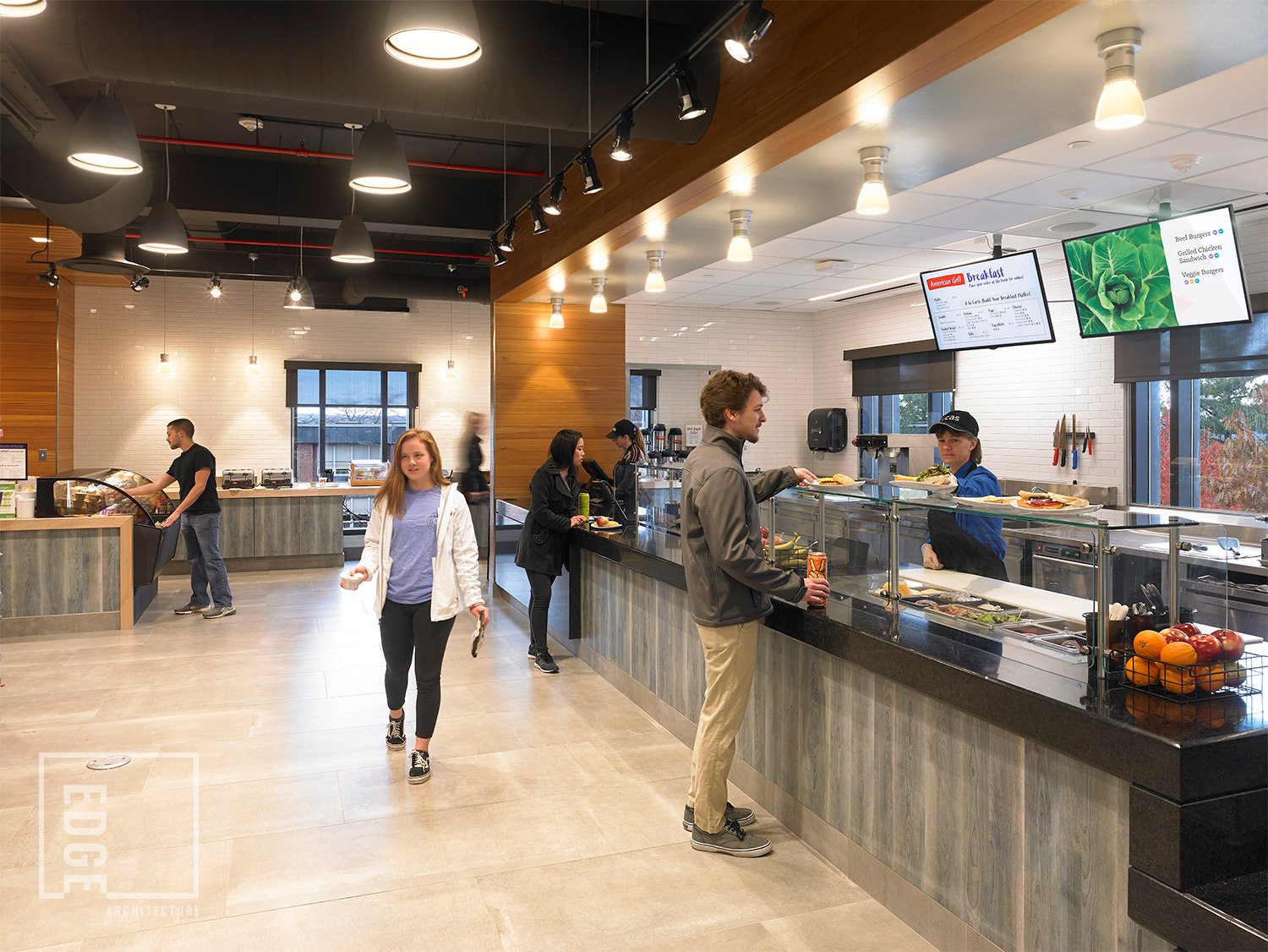
SUNY Geneseo Cafeteria
For colleges and universities, the campus visit remains one of the most powerful recruitment tools available. Long before students attend a class or meet a professor, they begin evaluating whether a campus feels like a place where they belong.
While academic programs certainly influence decision-making, research continues to show that prospective students often prioritize overall fit, campus culture, and quality of life when choosing a college. The physical environment plays a major role in shaping those perceptions.
From an architectural perspective, several elements consistently influence how prospective students and families experience a campus during their first visit.
1. The Overall Campus Atmosphere
Prospective Students are evaluating the campus based on their sense of community.
As they walk through campus, they notice whether spaces feel welcoming, active, and connected. They pay attention to how students interact, where people gather, and whether the environment feels vibrant and engaging.
Elements that contribute to a positive first impression include:
Walkable pathways and intuitive circulation
Outdoor gathering spaces and green areas
Visible student activity
Comfortable places to sit, study, and connect
Buildings that feel approachable and inviting
A well-designed and well-maintained campus creates an immediate sense of belonging.
2. Residence Halls and Housing Quality
Housing is often one of the most anticipated stops on a campus tour because it represents where students will spend much of their daily lives.
Today's students expect residence halls to provide more than a place to sleep. They are looking for environments that support both independence and community.
Features that frequently influence perception include:
Natural light and comfortable living spaces
Shared lounges and study areas
Flexible common spaces
Opportunities for social interaction
Overall building quality and maintenance
Modern residence halls increasingly function as living-learning communities that support academic success and personal growth.
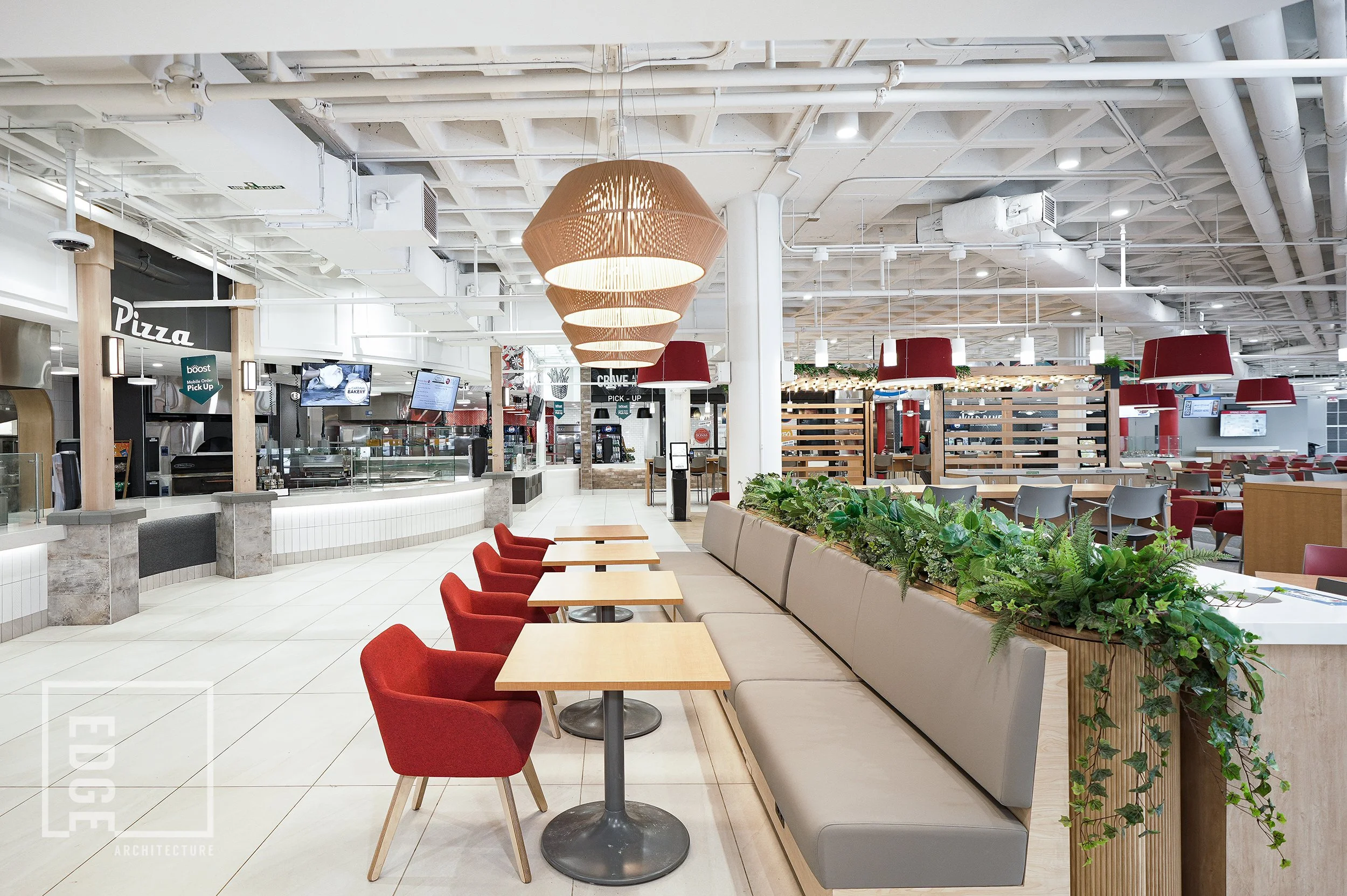
SUNY Plattsburgh Cardinal Nest
3. Dining and Social Spaces
Campus dining has evolved far beyond the traditional cafeteria model.
Students want variety, flexibility, and spaces where they can spend time throughout the day. Dining facilities have become important social hubs where students gather between classes, collaborate on projects, or simply relax with friends.
Successful dining environments often provide:
Diverse food options
Flexible seating arrangements
Extended usability beyond meal periods
Connections to adjacent student spaces
Comfortable environments that encourage interaction
When thoughtfully designed, dining spaces become a central part of campus culture.
4. Safety and Walkability
Students and families evaluate safety from the moment they arrive.
Lighting, visibility, building maintenance, and pedestrian circulation all contribute to how safe and comfortable a campus feels.
Key considerations include:
Well-lit pathways
Clear sightlines
Accessible routes
Consistent landscape maintenance
Easy navigation between buildings
A campus that feels safe and easy to navigate allows students to focus on opportunities rather than concerns.
5. Student Support and Wellness Resources
Today's students expect support services to be visible, accessible, and integrated into campus life.
Facilities that bring together advising, tutoring, wellness services, and career support make it easier for students to access the resources they need to succeed.
Increasingly, colleges and universities are designing spaces that support the whole student by prioritizing:
Mental health and wellness resources
Inclusive and welcoming environments
Easy-to-access student services
Flexible gathering and support spaces
Connections between academic and student life functions
These spaces communicate a powerful message: student success matters.
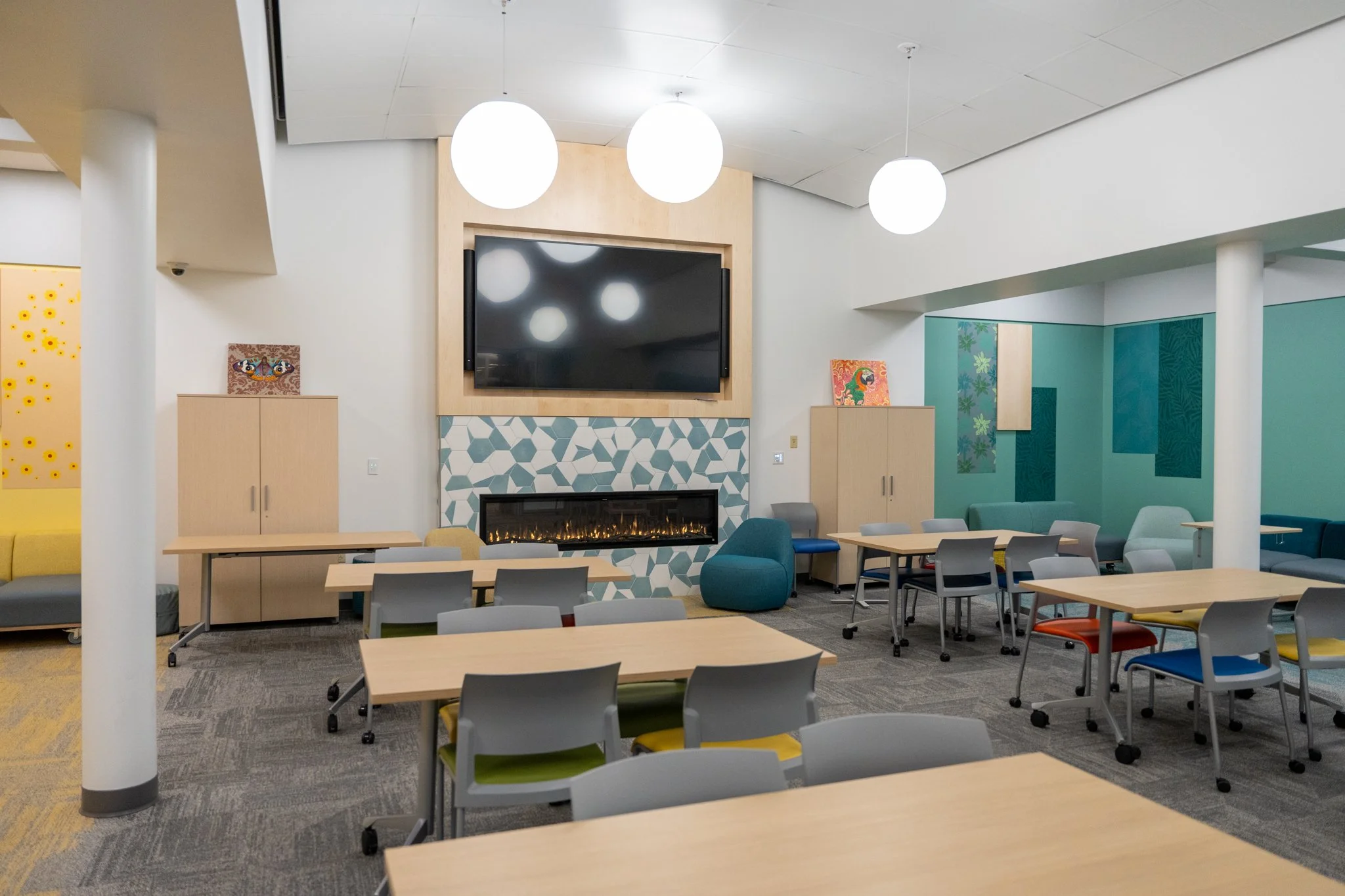
RIT Prism
Designing for First Impressions
The campus visit experience often shapes a student's final decision.
While academic offerings remain critical, the physical environment influences whether students can envision themselves thriving within a campus community.
At Edge Architecture, we believe successful campus design begins with understanding how students experience space. By creating environments that support learning, connection, wellness, and belonging, colleges and universities can make a lasting impression long before the first day of class.
Shaping the direction of design.