WHY STUDENT LIFE BUILDINGS ARE THE NEW FRONT DOOR OF THE MODERN CAMPUS
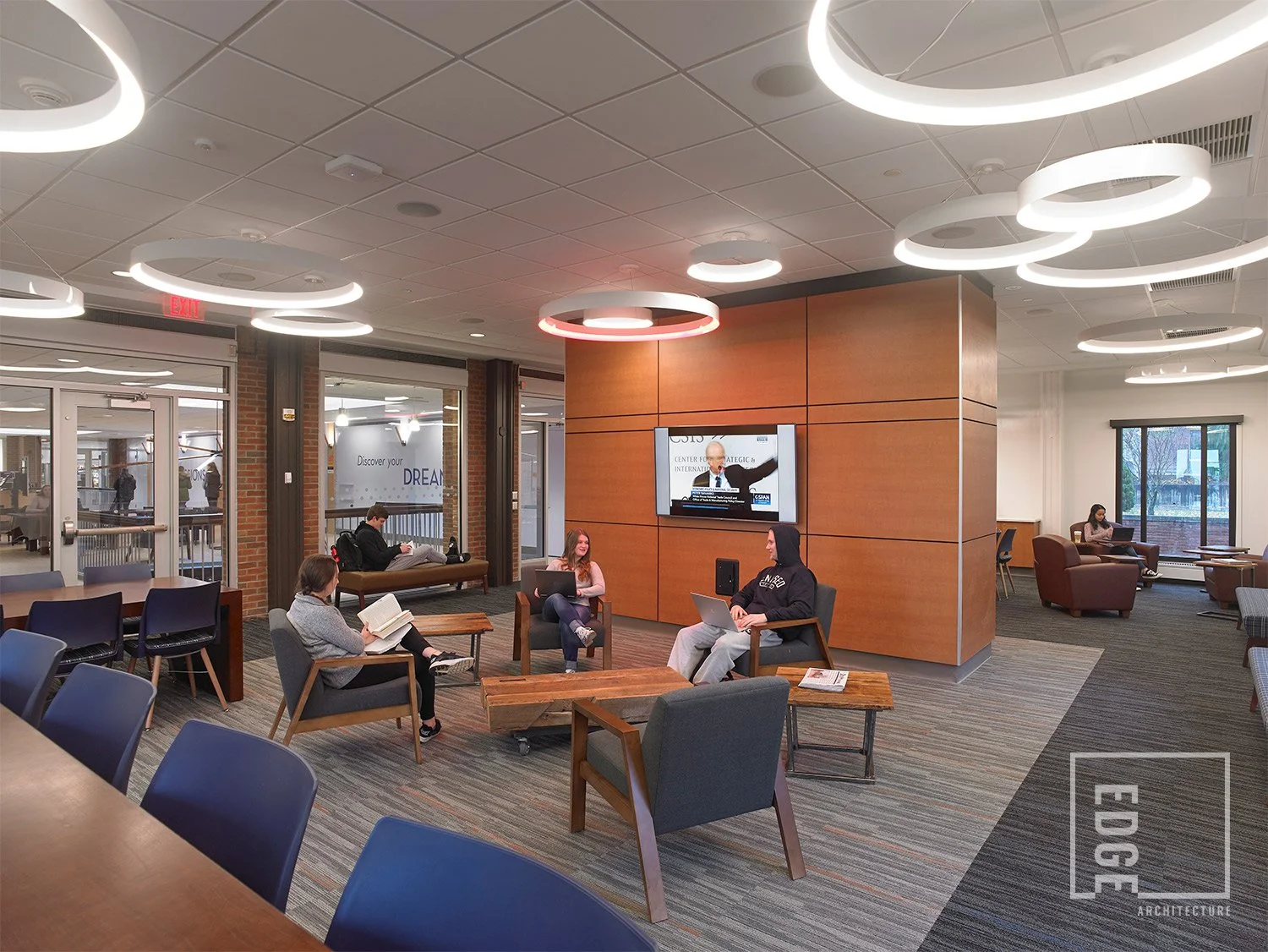
For decades, academic buildings defined the identity of college campuses.
Today, that dynamic is changing.
Across higher education, institutions are recognizing that student life facilities play a critical role in recruitment, retention, and student success. Residence halls, student centers, dining facilities, recreation complexes, and wellness centers have become essential components of the campus experience.
For architects and campus planners, this shift is redefining how campuses invest in their future.
The Student Experience Is Driving Campus Investment
Today's students evaluate colleges differently than previous generations.
While academic programs remain important, students are also looking for environments that support community, well-being, and personal growth.
As a result, colleges and universities are increasingly investing in spaces that support:
Student connection and belonging
Mental and physical wellness
Informal learning
Campus engagement
Access to support services
These investments recognize an important reality: learning happens everywhere.
Residence Halls Are Learning Communities
Residence halls are no longer simply places where students sleep.
Modern housing is designed to foster connection, collaboration, and engagement throughout the student experience.
New and renovated residence halls often include:
Shared kitchens and gathering spaces
Collaborative study rooms
Flexible community spaces
Living-learning environments
Opportunities for peer interaction
These features help students build relationships and strengthen their connection to campus.
Dining Spaces Are Social Hubs
Campus dining has evolved into one of the most important gathering spaces on campus.
Students increasingly expect environments that support multiple uses throughout the day—from meals and studying to socializing and group work.
Successful dining environments provide:
Variety and flexibility
Comfortable seating options
Extended usability
Connections to outdoor spaces
Opportunities for informal interaction
When thoughtfully designed, dining spaces help build community and strengthen campus culture.
Wellness Is Integrated Into Everyday Campus Life
Student wellness has become one of the defining issues in higher education.
Forward-thinking institutions are responding by integrating wellness resources into highly visible campus environments rather than isolating them.
Emerging strategies include:
Combined recreation and wellness facilities
Co-located counseling and health services
Reflection and quiet rooms
Natural light and restorative environments
Spaces designed to reduce stress and encourage well-being
Making support services more accessible helps normalize their use and reinforces a culture of care.
Student Centers Are the Heart of Campus
Student centers often serve as the crossroads of campus life.
They connect academic buildings, residential areas, dining facilities, and student services while creating opportunities for interaction and engagement.
Successful student centers prioritize:
Visibility and transparency
Flexible gathering spaces
Access to student resources
Indoor-outdoor connections
A strong sense of campus identity
These facilities help create the daily experiences that shape student success.
Designing for the Whole Student
The most successful campuses recognize that learning extends beyond the classroom.
Student life buildings support community, wellness, belonging, and engagement—factors that influence both recruitment and retention.
At Edge Architecture, we believe thoughtful design should support the whole student experience. By creating environments that foster connection and opportunity, colleges and universities can build campuses that serve students today while remaining adaptable for the future.
Shaping the direction of design.