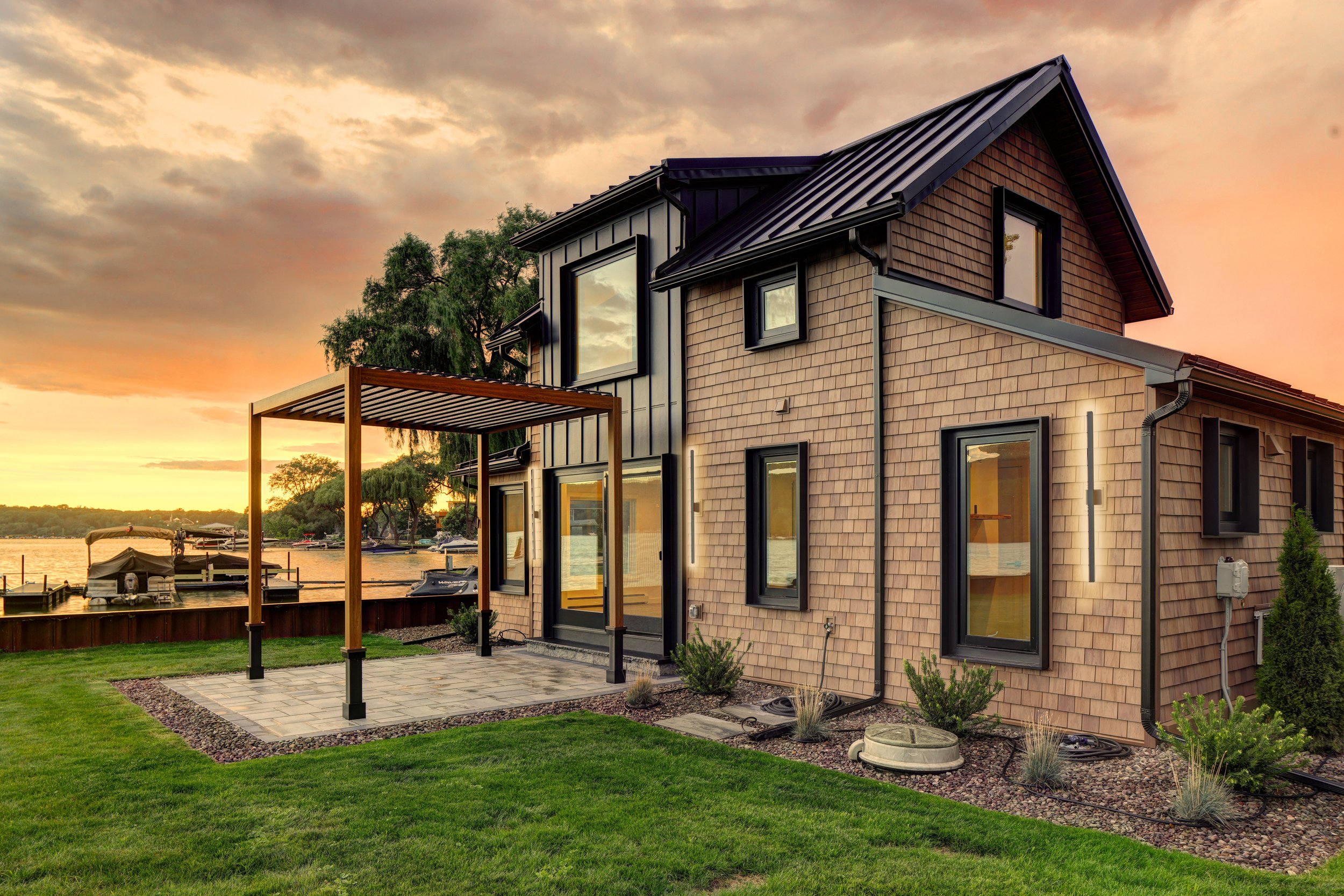
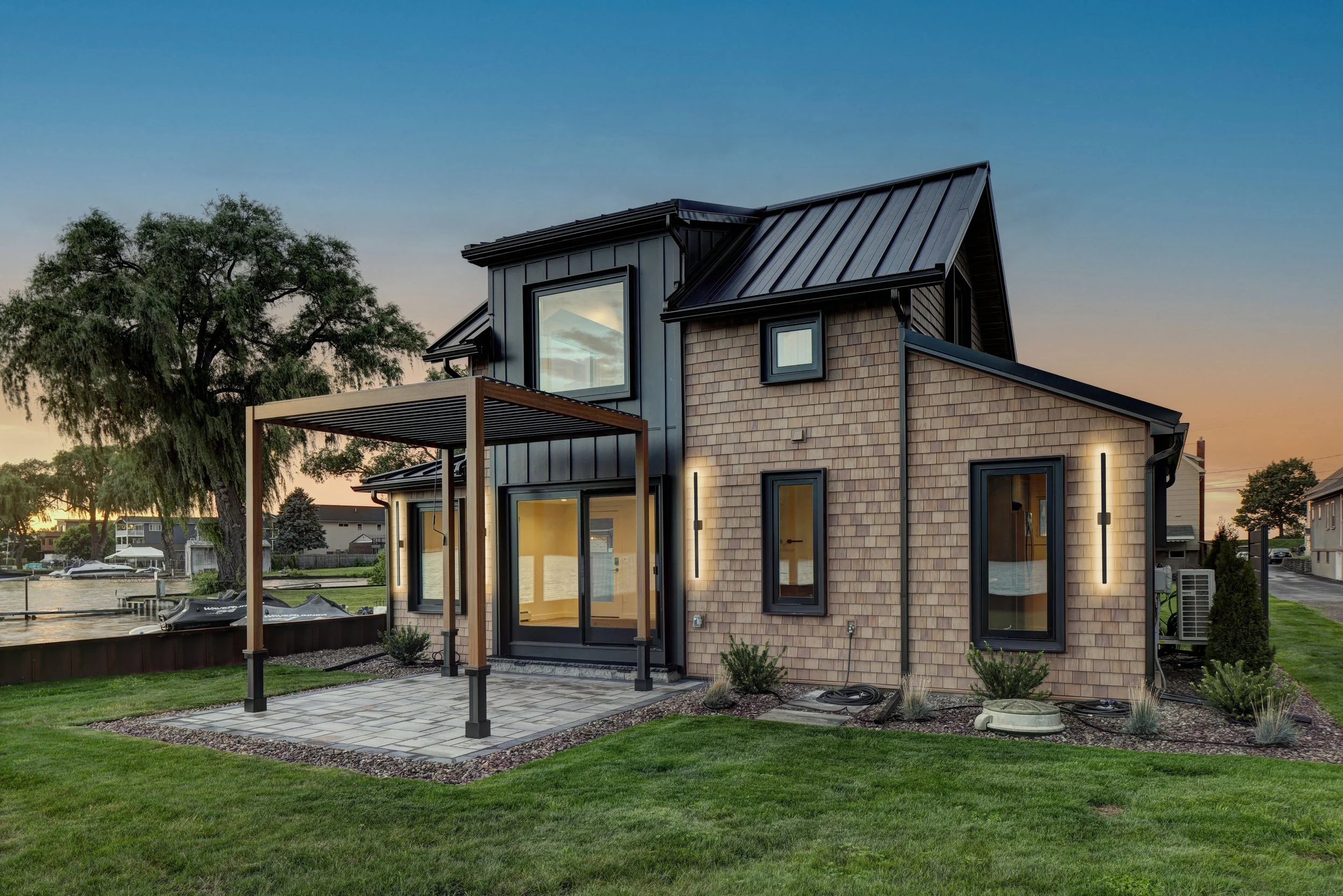
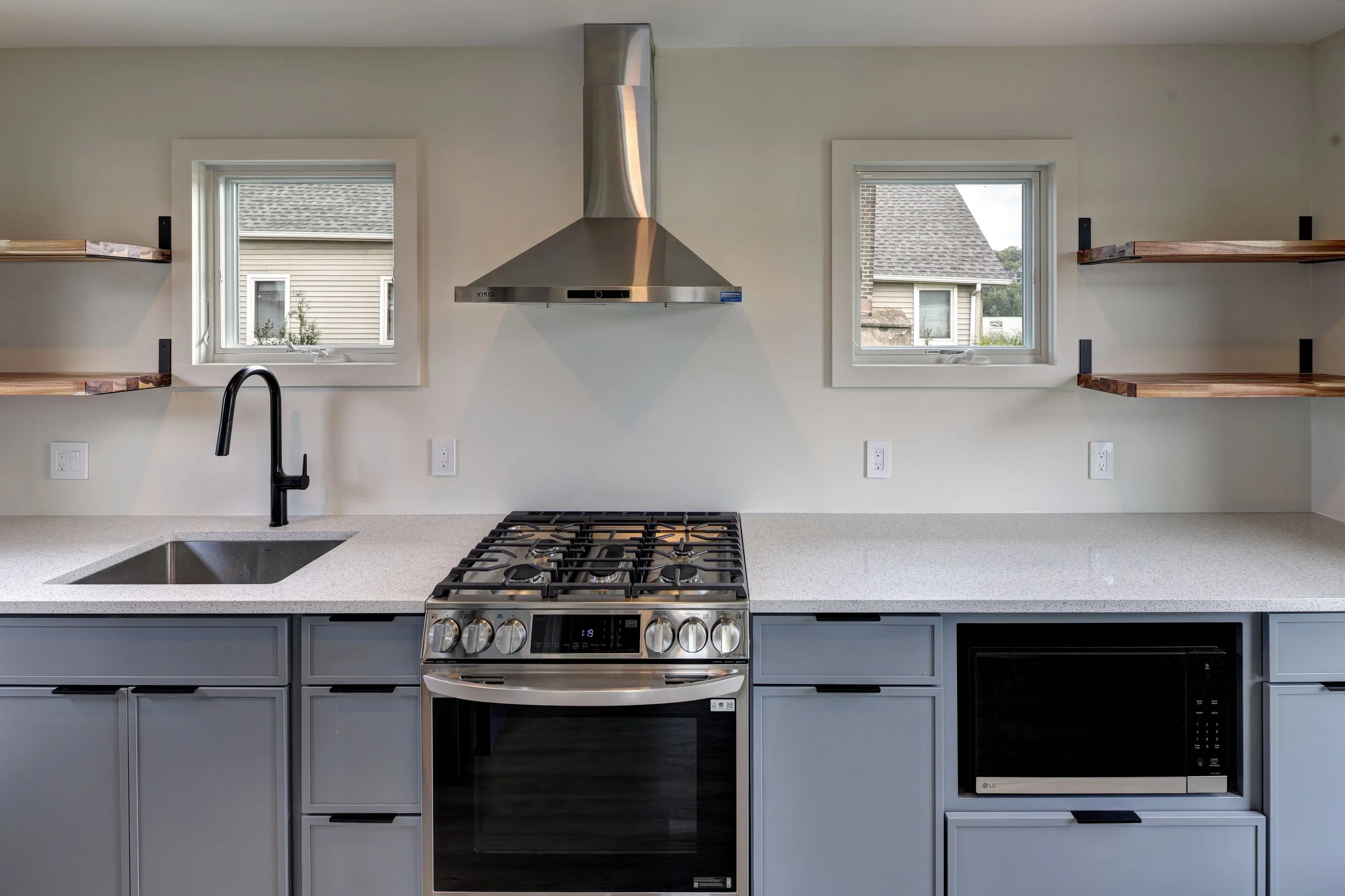
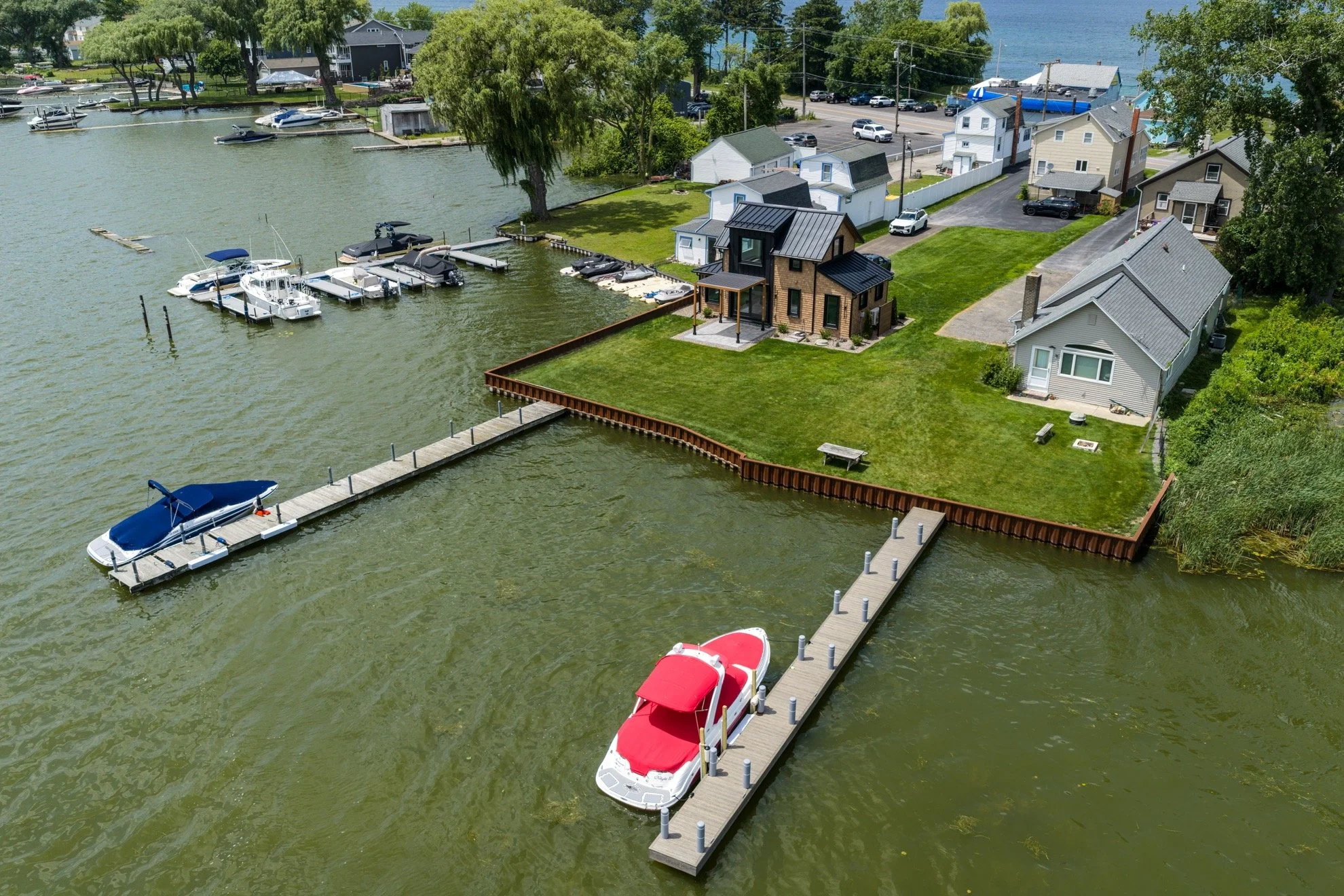
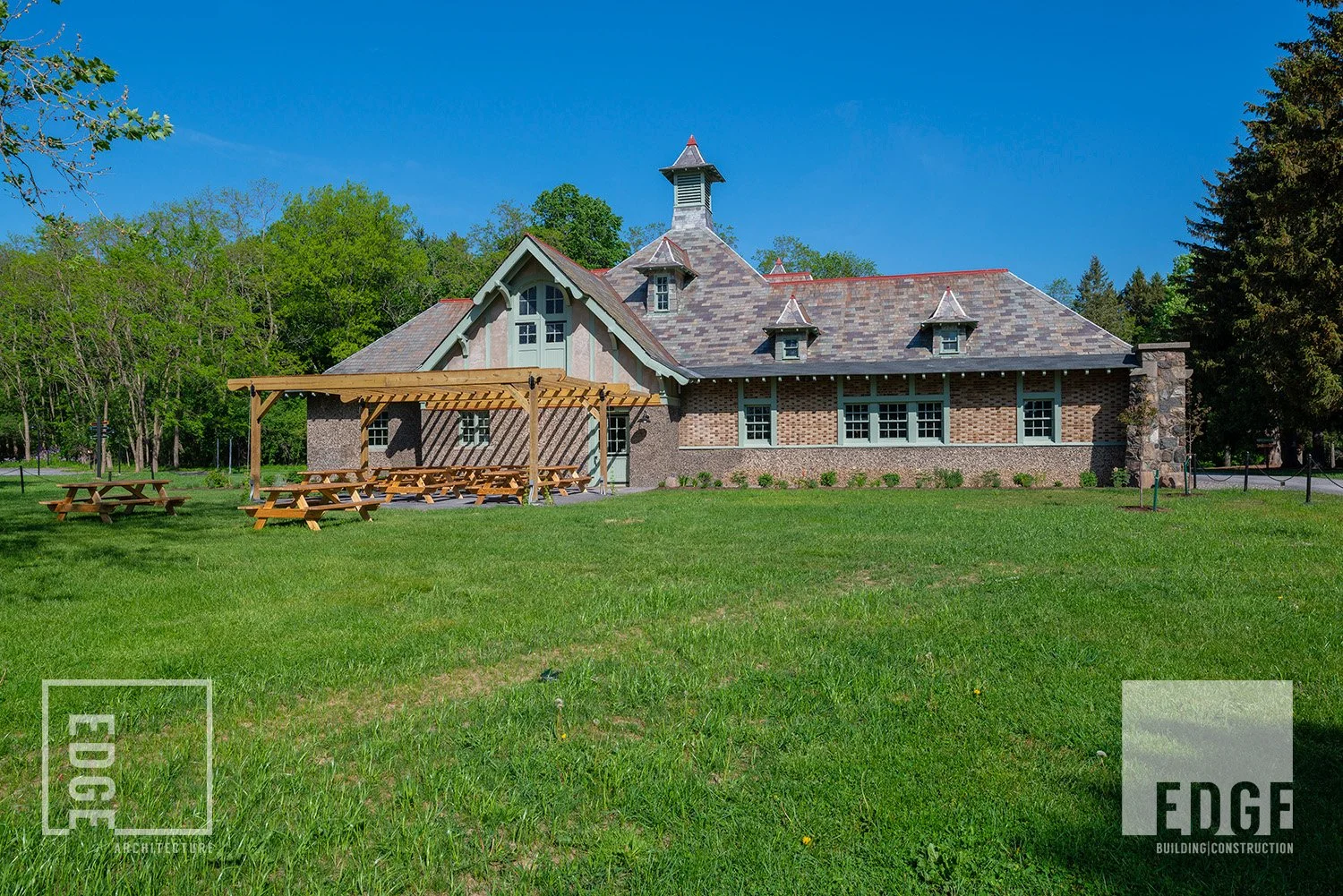
Fiore Cottage
Every building project starts with a goal. A growing company may need a workplace that reflects its culture. A school may need more room for students. A manufacturer may need to transform an existing building into a facility that supports a specialized operation.
Whatever the vision, bringing it to life requires more than a great design. It takes coordination between the people shaping the space and the people building it.
That’s where design-build comes in.
At Edge Architecture, we partner with our sister company, Edge Building & Construction, to bring design and construction expertise together throughout a project. This collaborative approach helps clients navigate decisions with a more connected team and a shared understanding of the final goal.
What Is Design-Build?
Design-build is an approach that brings the design and construction teams together as part of a coordinated process. With both perspectives involved as a project takes shape, decisions about design, materials, cost, and construction can be considered in relation to one another.
For clients, this creates an opportunity to move from an initial idea to a finished space with a team that understands both the vision and the practical steps needed to realize it.
Collaboration From the Start
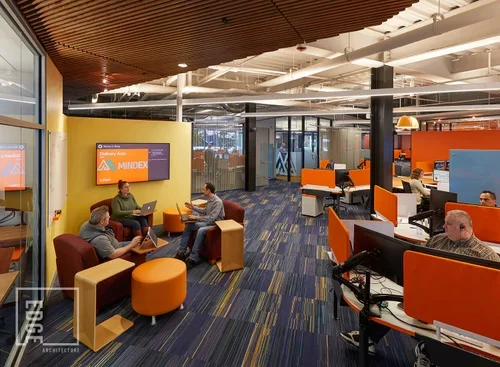
Mindex Collaborative Workspace
A successful project depends on the details working together. The layout of a space affects how people use it. Material selections influence both its character and performance. Existing conditions can shape what is possible.
When architects and builders collaborate early, they can discuss these considerations as the design develops. Construction insight can help inform how an idea is brought to life, while the design team keeps the client’s goals and the experience of the finished space at the center of the conversation.
This collaboration is especially valuable in projects with specialized operational needs.
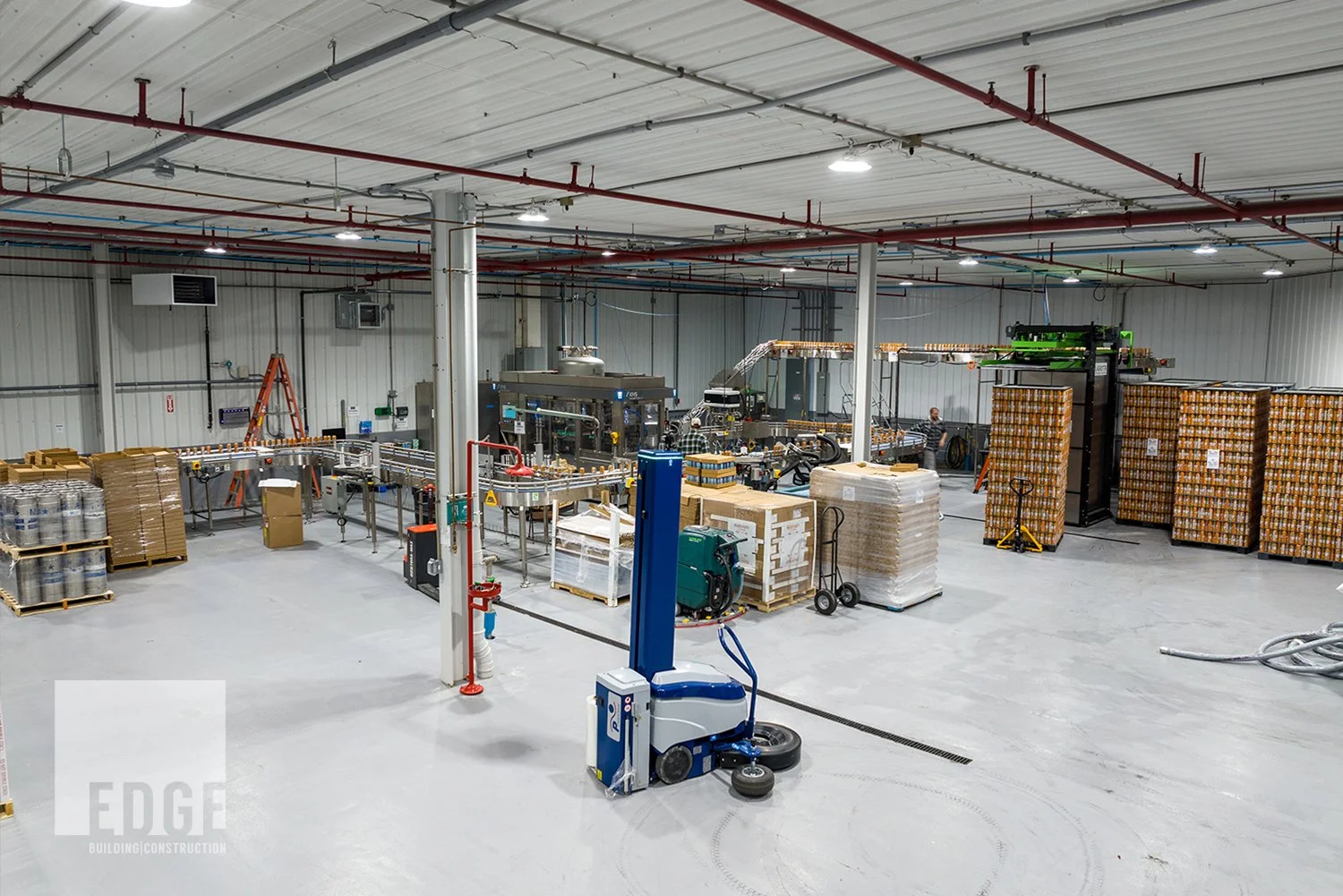
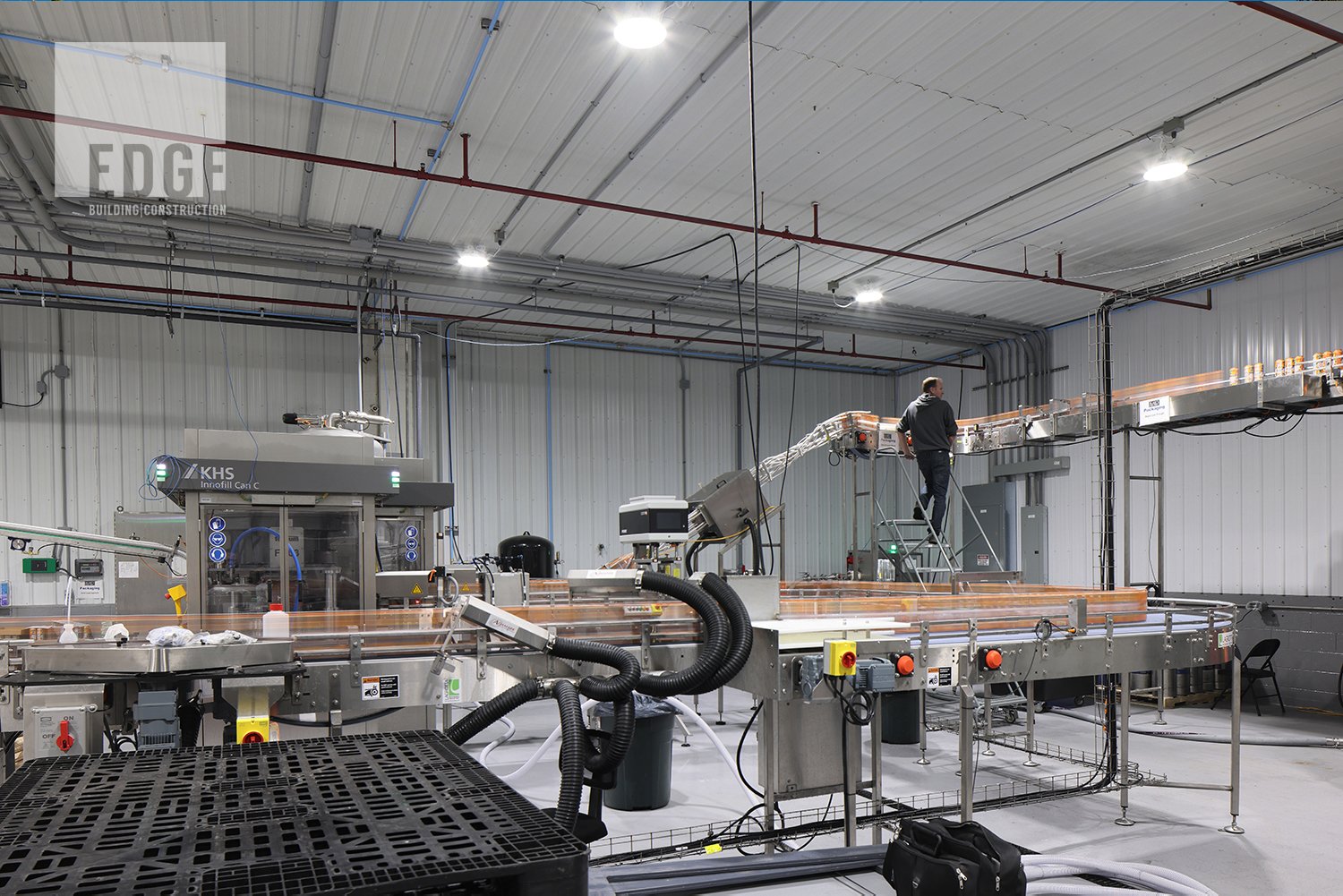
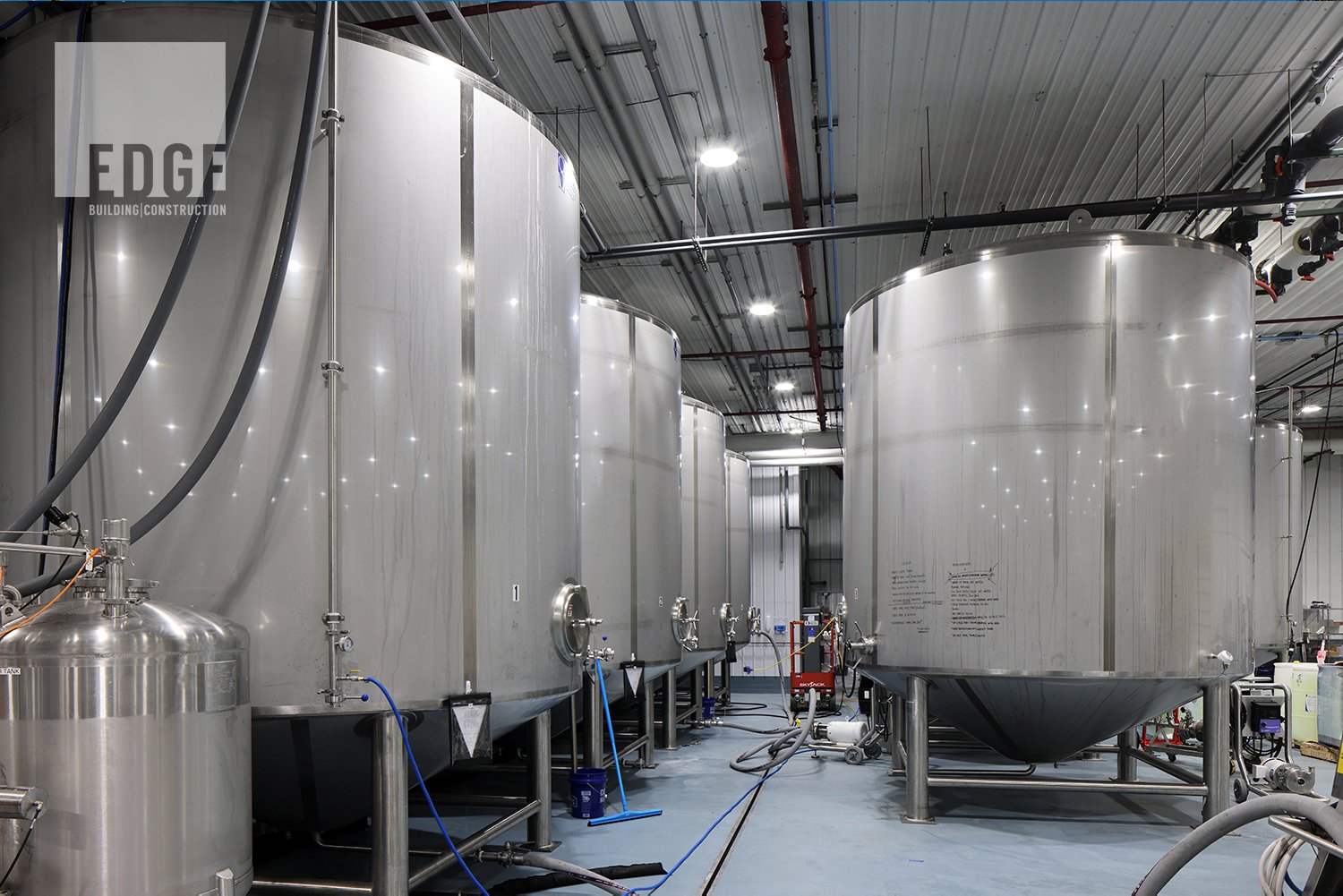
For Blake’s Hard Cider, Edge Architecture and Edge Building & Construction provided design-build services for the company’s first hard cider production facility in New York State. The project transformed an existing 14,000-square-foot industrial building into a production space with tank equipment, coolers, trench drains, specialized flooring, and new building systems.
Edge Architecture designed the fit-out, while Edge Building & Construction managed construction from demolition and tank placement through final finishes. The project illustrates the range of design and construction decisions involved in creating a space that supports a specific operation.
More Informed Decisions About Budget and Materials
A project’s design, budget, and construction approach are closely connected. A change in materials or building systems can affect both the cost of a project and the way the finished space performs.
With design and construction perspectives at the table, clients can explore those relationships as the project develops. The team can discuss potential costs, construction considerations, and alternatives alongside the design intent, giving clients more information to make decisions about their priorities.
This can also create opportunities to identify questions or challenges earlier in the process, when there may be more flexibility to consider different solutions.
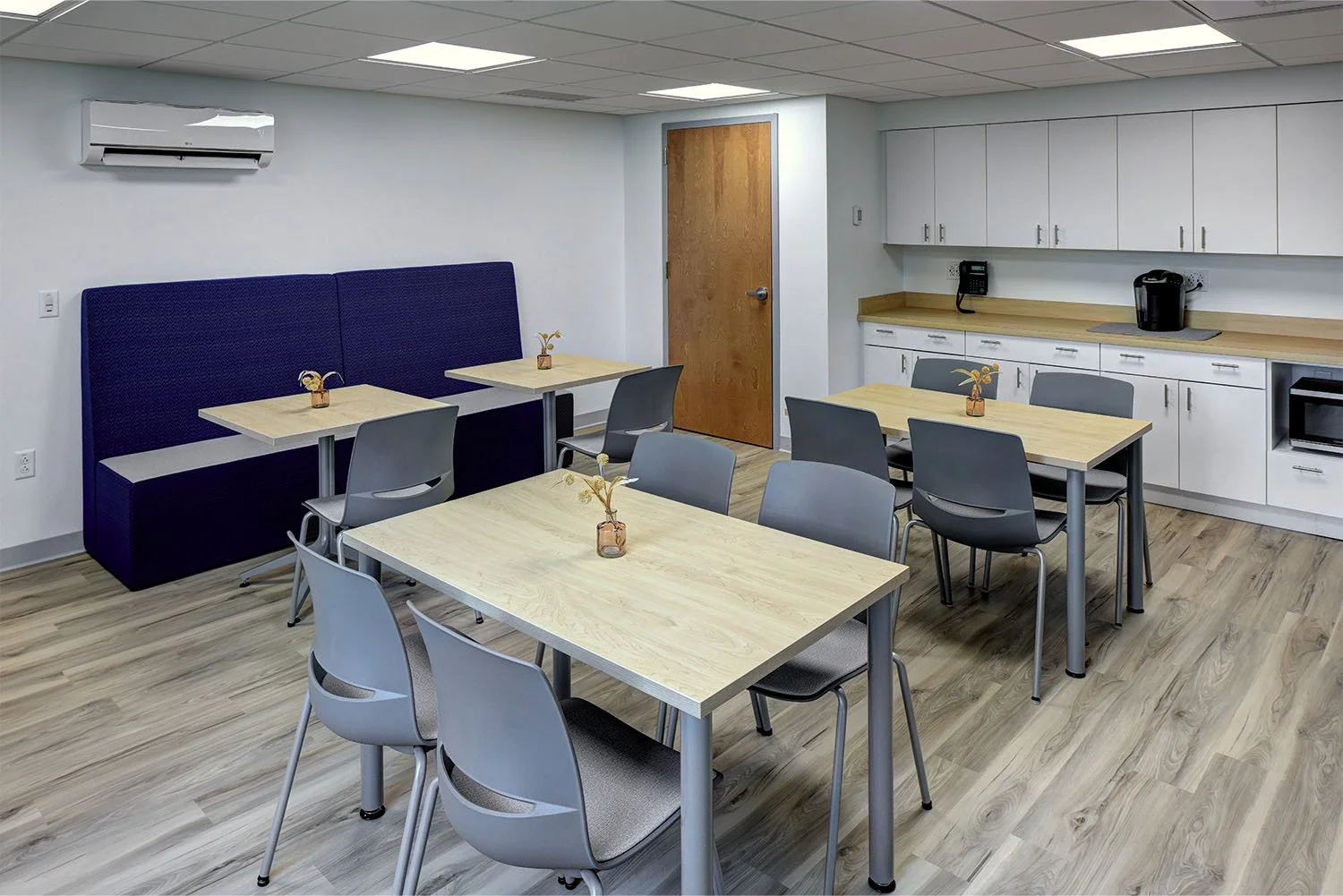
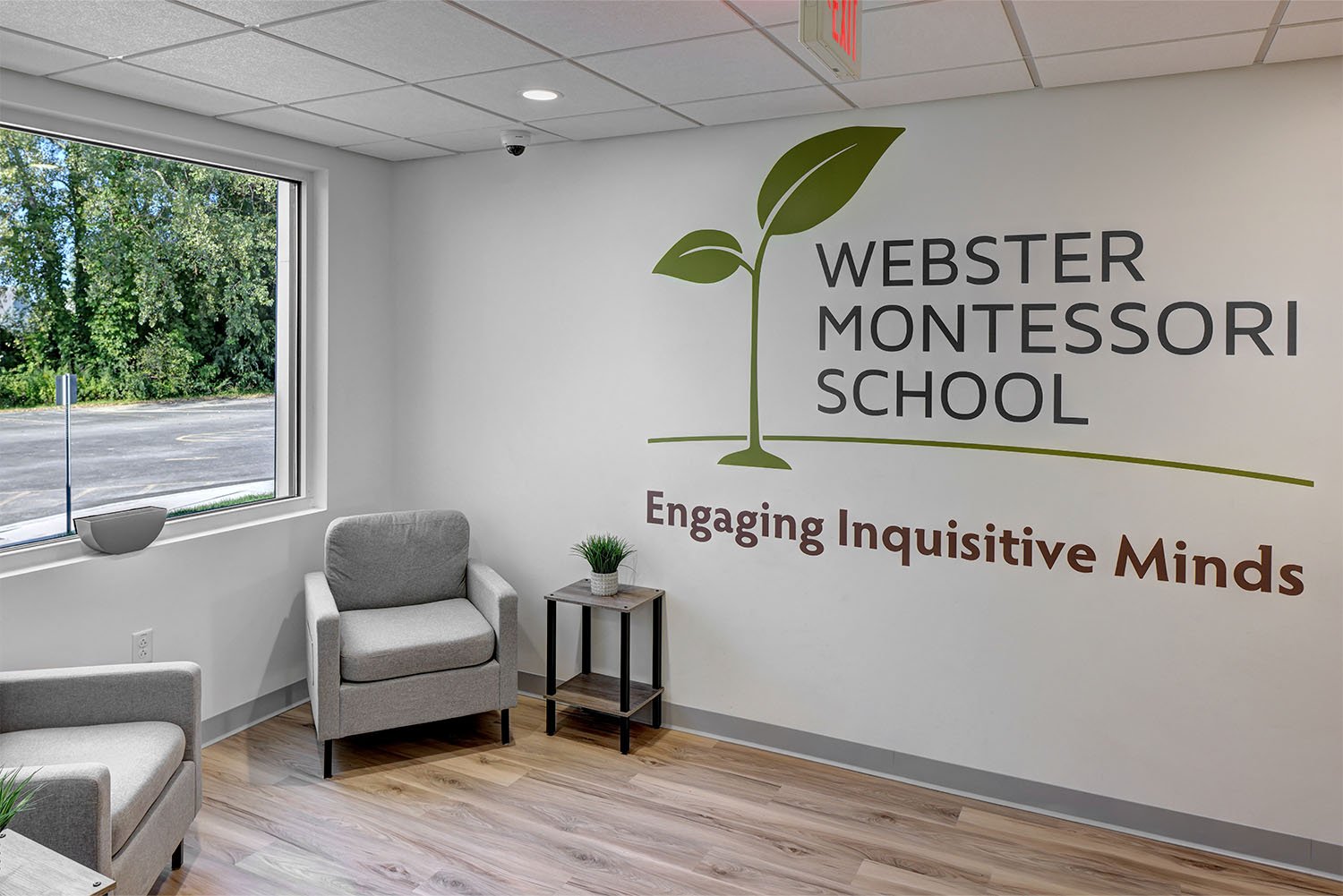
Webster Montessori Teacher Lounge
A Coordinated Approach to Scheduling
Many projects have timing considerations that reach beyond construction. A business may be preparing for a move, a production facility may need to support a planned expansion, or a school may be working toward the start of an academic year.
In a design-build process, the design and construction teams can consider those milestones together as they plan the work. While every project is different and timelines depend on many factors, a coordinated approach helps keep scheduling needs part of the conversation.
At Webster Montessori School, Edge Architecture and Edge Building & Construction partnered on an addition to support the school’s growing student population. The project included two new classrooms, a library, and a small meeting room, along with consideration for parking, drainage, and the outdoor space that is important to the school’s program.
Finishes were completed in early August, allowing teachers and staff to prepare the new classrooms for the first day of school.
Continuity From the Big Picture to the Details
A well-designed space should support the people who use it every day. That requires attention to both the larger vision and the details that make a space function.
At Mindex Technologies, Edge Architecture provided architectural design and project services for the building as a whole and the company’s interior tenant fit-out. Edge Building & Construction served as general contractor for construction of the first-floor Mindex office space.
The new downtown Rochester workplace was intended to reflect Mindex’s technology-focused culture while accommodating its business units. The project demonstrates the breadth of Edge’s capabilities, from considering the building as a whole to constructing the interior spaces where people work.
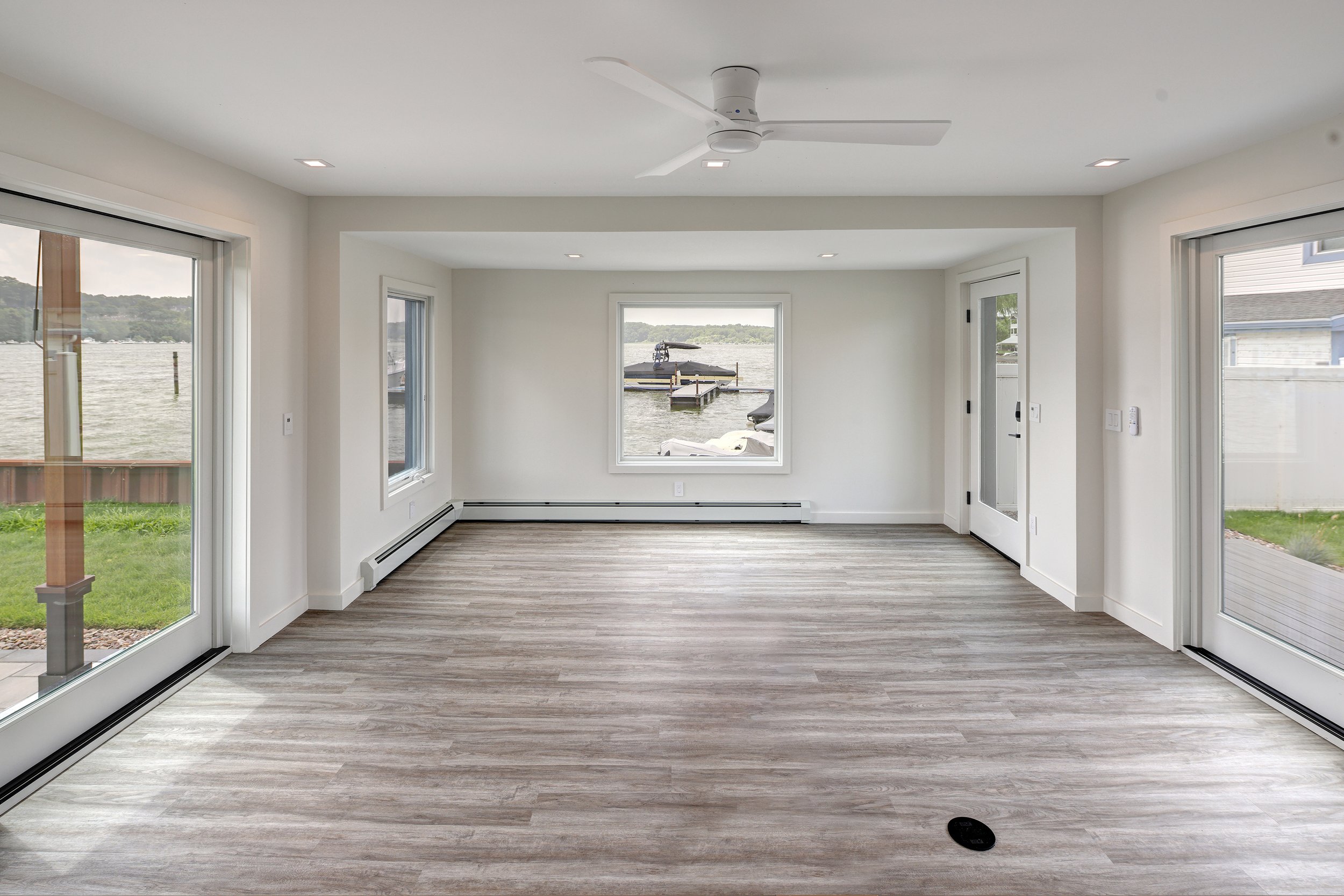
A Shared Vision for the Finished Space
The value of design-build extends beyond any one phase of a project. It comes from bringing people together around a shared goal and maintaining a connection between the original vision and the finished space.
Whether the project is a workplace, a school addition, or a production facility, Edge Architecture and Edge Building & Construction bring complementary perspectives to the process. Together, we help clients shape spaces that respond to their needs and support what comes next.
Planning a new space or considering an expansion? Connect with Edge Architecture to learn more about our design-build approach.